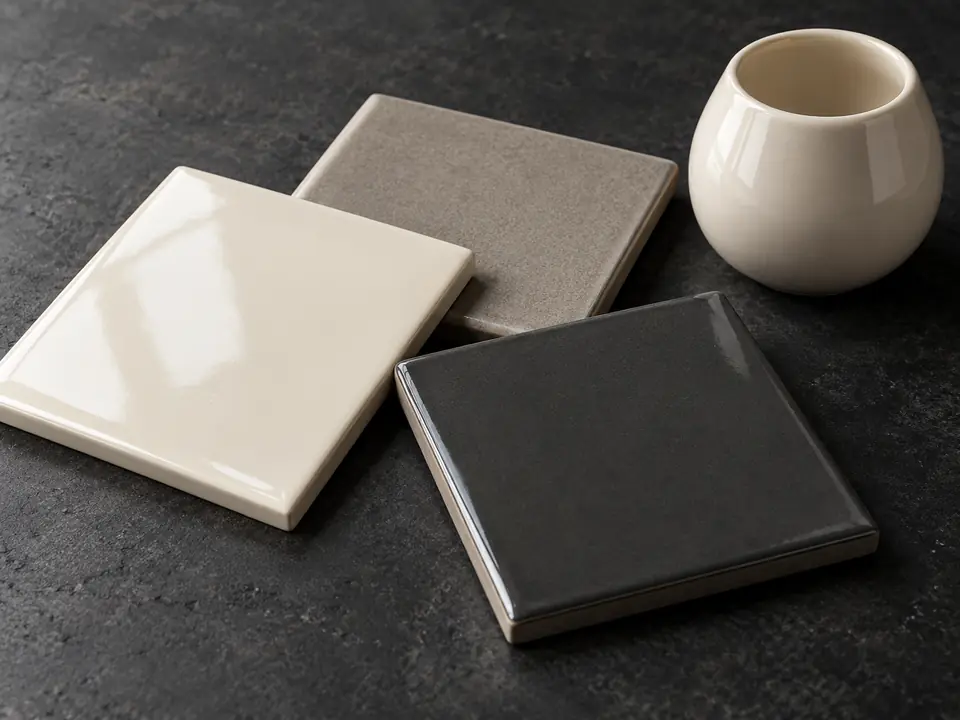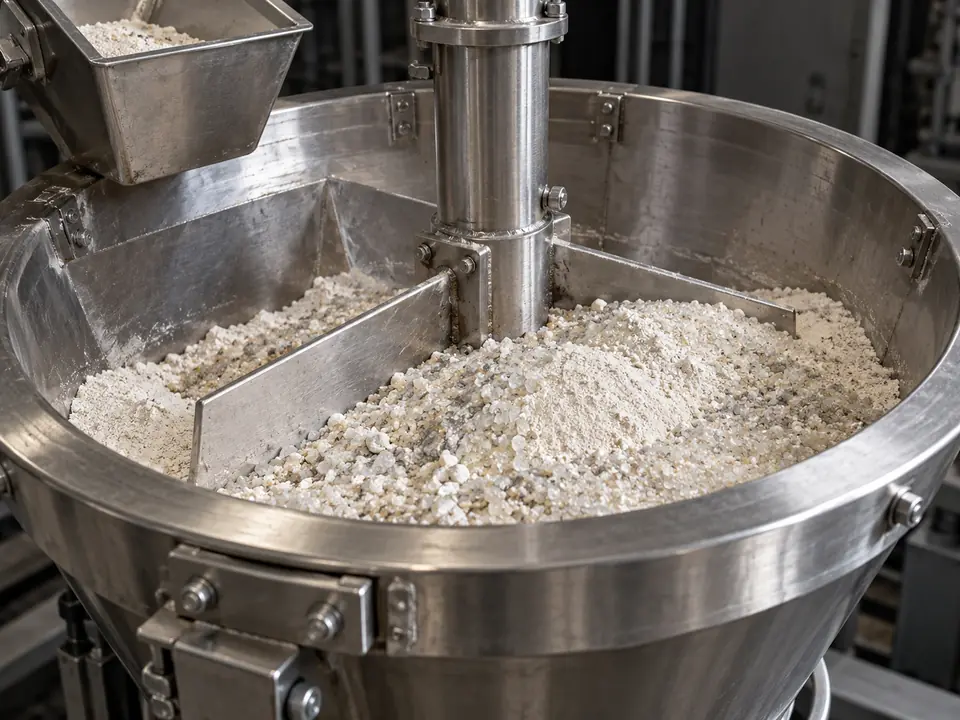

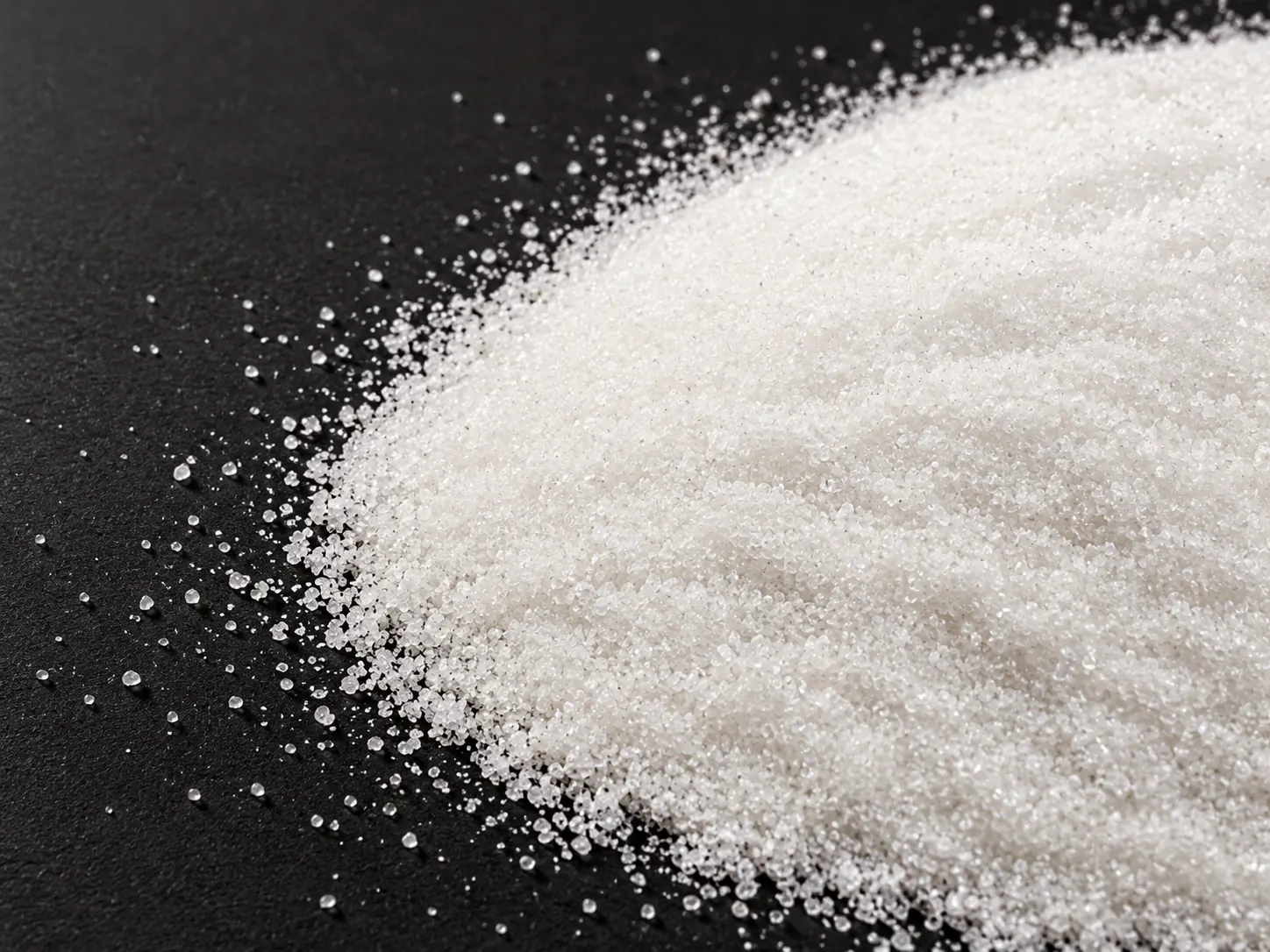
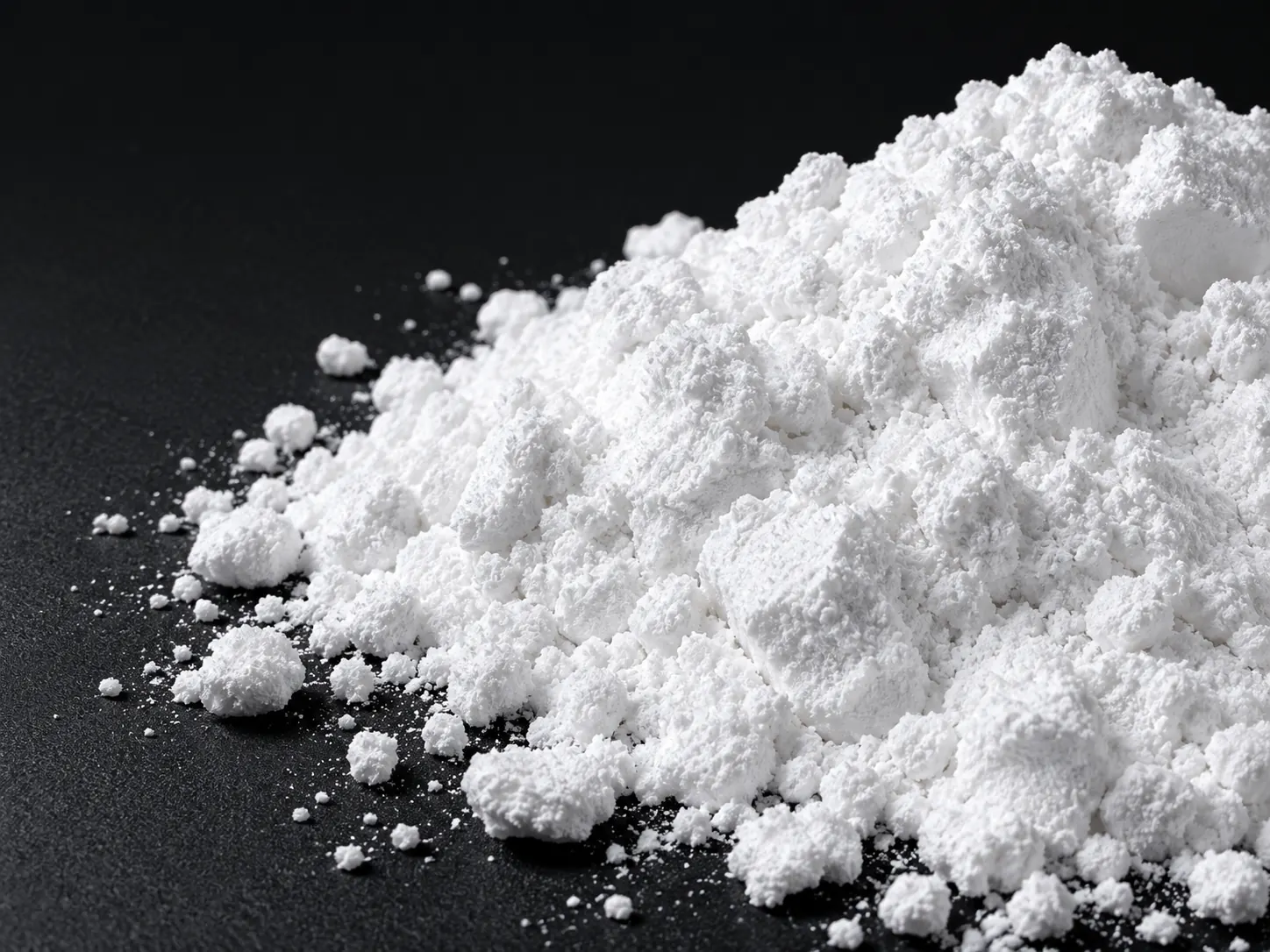

Glass and frit granules and powders in dark sample trays

Glass & frit materials

With companion chemical raw materials

From granules and powders to resins, curing systems and additives. Select raw materials around your application.

Explore glass & frit
01 / GLASS & FRIT MATERIALS

Glass & frit

From visible grains to fine powder fractions. Select around appearance, particle profile and composition.

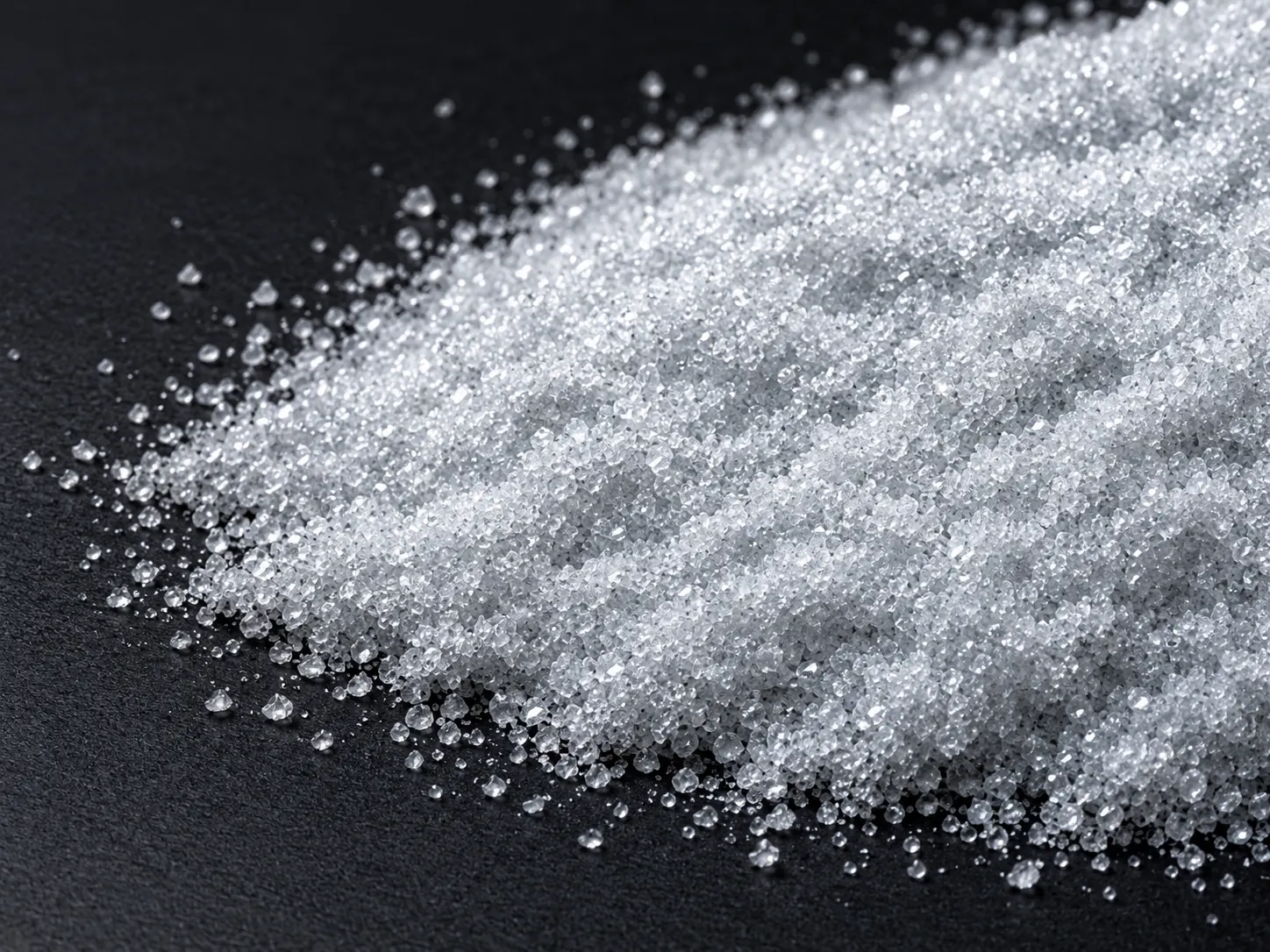
Translucent angular glass sand grains on graphite
Glass Sand01

Glass Sand

Granular glass for decorative surface aggregates and industrial blends, selected for grain distribution, colour and visible texture.

Material format
Granular glass
Applications
Decorative surfaces · Industrial blends
Selection & supply requirements

Granular glass for decorative aggregates and industrial blends. In resin-based surface materials, the grain distribution and colour help define the visible texture and aggregate blend; compare grades against your appearance and inclusion requirements.

Material format
Granular glass
Particle sizing
Mesh or mm; distribution agreed per order
Appearance
Colour and inclusions to be specified
Packaging
Bag format and weight agreed per order
Enquire about Glass Sand
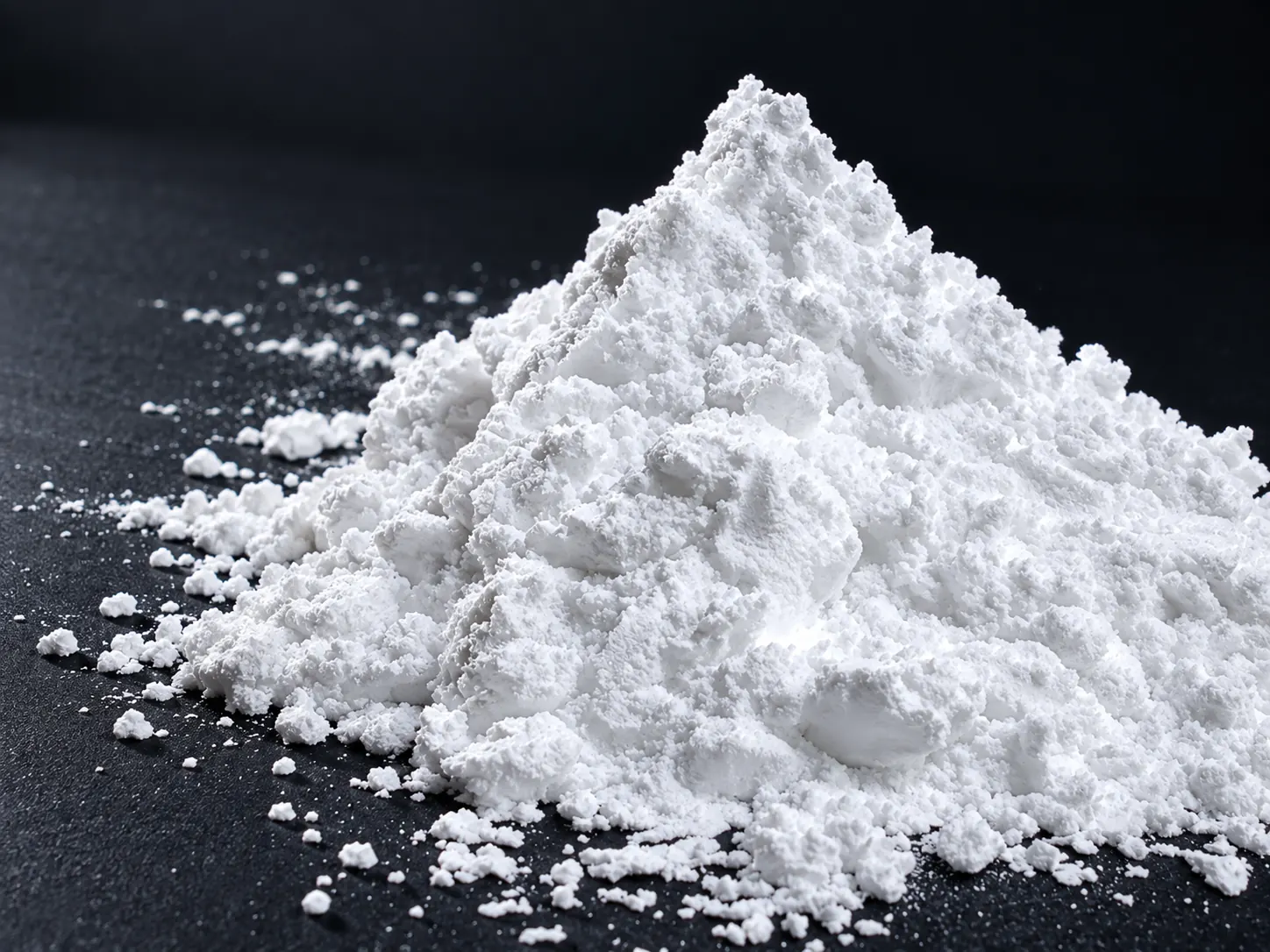
White glass powder with fine texture and small agglomerates
Glass Powder02

Glass Powder

Fine glass for the powder fraction of suitable blends, selected for fineness, composition and dispersion in the formulation.

Material format
Fine glass powder
Applications
Decorative surfaces · Industrial blends
Selection & supply requirements

Finely processed glass for the powder fraction of suitable material blends. Review fineness, moisture and composition alongside dispersion and processing in your formulation.

Material format
Fine glass powder
Powder sizing
Particle profile or sieve requirement
Moisture / composition
Limits and test methods to be agreed
Packaging
Protection and bag weight agreed per order
Enquire about Glass Powder
Pale ivory frit sand with small individual grains
Frit Sand03

Frit Sand

Granular frit for suitable surface-material aggregates and ceramic glazes, matched to the composition and grain distribution required.

Material format
Granular frit
Applications
Surfaces · Ceramic glazes
Selection & supply requirements

Granular frit considered as an aggregate in glass-and-frit surface formulations, or as a raw material for ceramic glazes. Select composition and grain distribution for the intended route: resin compatibility for surfaces, or body and firing conditions for ceramics.

Material format
Granular frit
Particle sizing
Distribution for aggregate grading or processing
Composition
Target chemistry or reference grade
Packaging
Bag format and weight agreed per order
Enquire about Frit Sand
White frit powder with a soft fine texture and powder agglomerates
Frit Powder04

Frit Powder

Fine frit powder for suitable surface blends and ceramic glazes, matched to resin or firing requirements and the intended finish.

Material format
Fine frit powder
Applications
Surfaces · Ceramic glazes
Selection & supply requirements

Frit in a fine-powder format for suitable surface-material blends and ceramic glaze development. Compare composition, fineness and dispersion in the selected resin or glaze system, then confirm processing and finish through application trials.

Material format
Fine frit powder
Powder sizing
Fineness and distribution to be specified
Composition / process
Composition and resin or firing requirements
Packaging
Protection and bag weight agreed per order
Enquire about Frit Powder
CHEMICAL RAW MATERIALS

Companion chemical materials

UPR resins, curing systems, mineral fillers and formulation additives for glass-and-frit surface materials. Select each component around its role, compatibility and your production process.

Amber resin in a clear specimen vessel on graphite
The binding matrix

Unsaturated Polyester Resin (UPR)

UPR forms the cured resin matrix that binds glass and frit aggregates into a solid surface material. Select the resin around the forming process, water resistance, mechanical properties and appearance required.

Selection focus
  • Casting route, viscosity and shrinkage
  • Water resistance and colour stability
  • Compatibility with fillers and curing products
Enquire about Unsaturated Polyester Resin (UPR)
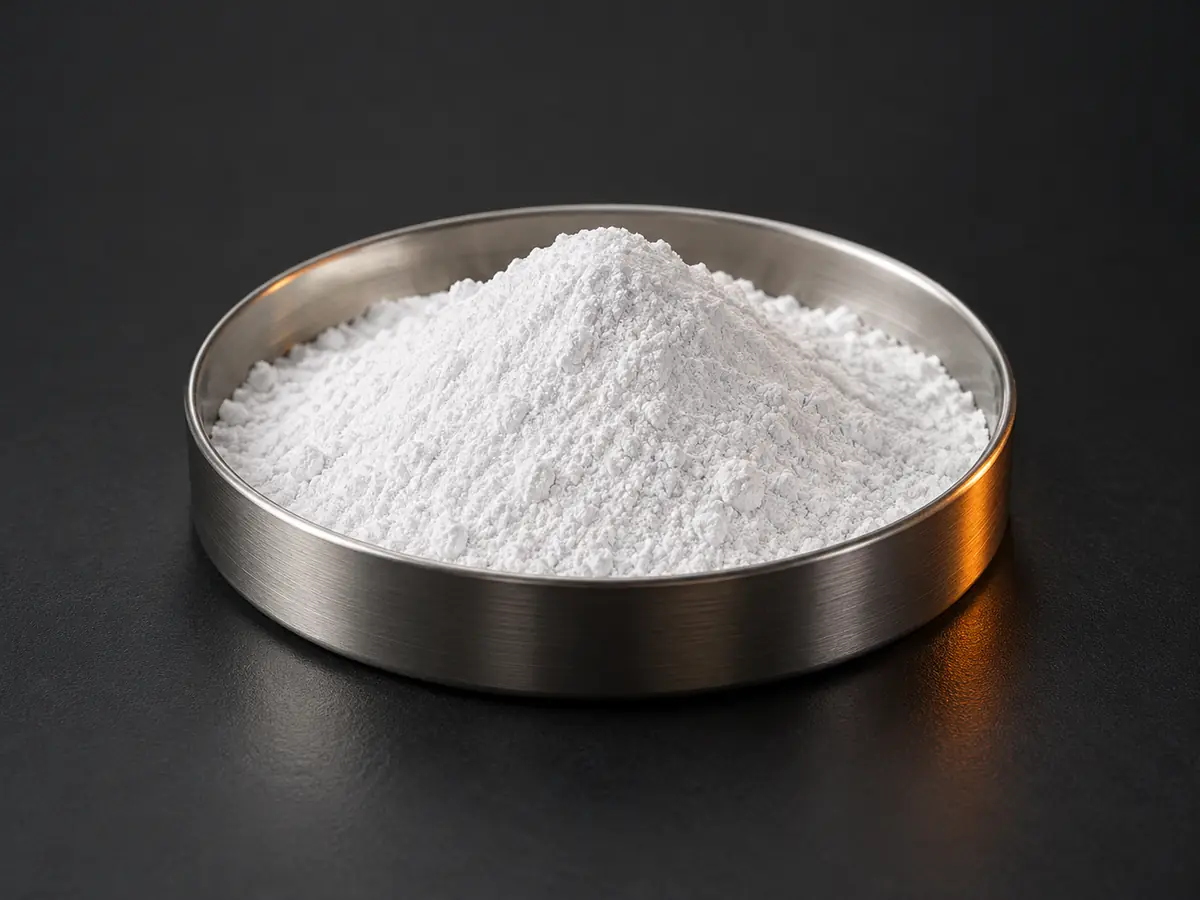
Fine white ATH powder in a stainless-steel sample dish
The functional filler

Aluminium Hydroxide (ATH)

A mineral filler for solid-surface and polymer formulations, selected for particle packing, processing and surface appearance. Suitable grades can also contribute to flame retardancy and smoke suppression in a tested formulation.

Selection focus
  • Particle profile and appearance
  • Dispersion and resin compatibility
  • Filler loading and application trials
Enquire about Aluminium Hydroxide (ATH)
Two closed amber specimen bottles representing curing products
The matched curing component

Curing Agents & Initiators

Peroxide initiators start the crosslinking reaction that hardens suitable UPR systems. Match the product to the resin, ambient or heated cure route and the manufacturer's specified accelerator system.

Selection focus
  • Resin and initiator compatibility
  • Cure conditions and working time
  • Manufacturer TDS and SDS
Enquire about Curing Agents & Initiators
SUPPORTING MATERIALS

Formulation additives & fillers

Companion materials for resin and aggregate formulations: curing, adhesion, colour, stability and processing.

Curing Accelerators

Helps control cure response in a matched resin and initiator system.

Selection & compatibility

Accelerators help control cure response in a matched resin–initiator system. Cobalt-based and amine-based types serve different systems; check whether the resin is already pre-accelerated before selecting a separate product.

  • Matched resin and initiator system
  • Pre-accelerated status and technical guidance
Enquire about Curing Accelerators

Silane Coupling Agents

Promotes adhesion between glass or frit aggregates and the resin matrix.

Selection & compatibility

Coupling agents promote adhesion at the glass or frit aggregate–resin interface. Match the silane to the aggregate surface and resin chemistry, then review adhesion and water resistance in the complete formulation.

  • Aggregate surface and resin chemistry
  • Adhesion and wet-condition performance
Enquire about Silane Coupling Agents

Antioxidants

Helps limit resin oxidation that can change colour and mechanical properties.

Selection & compatibility

Antioxidants help limit resin oxidation that can lead to colour change and loss of mechanical properties. Selection must balance ageing requirements with compatibility with the free-radical curing system.

  • Ageing and colour-retention requirements
  • Cure compatibility and trial results
Enquire about Antioxidants

UV Absorbers & Light Stabilizers

Helps limit light-induced ageing and colour change, selected for the resin and exposure conditions.

Selection & compatibility

UV absorbers and light stabilizers help limit ageing and colour change caused by light exposure. Match them to the resin, colour and intended environment; finished-material testing determines weathering performance.

  • Exposure conditions and resin compatibility
  • Weathering and colour-change evaluation
Enquire about UV Absorbers & Light Stabilizers

Inorganic Pigments

Provides colour and opacity, with batch colour consistency assessed in the formulation.

Selection & compatibility

Pigments such as titanium dioxide and iron oxides provide colour and opacity options for surface formulations. Compare tint strength, dispersion, light stability and batch consistency in the selected resin system.

  • Reference colour and batch consistency
  • Dispersion and light stability
Enquire about Inorganic Pigments

Calcium Carbonate Fillers

A filler for particle packing and adjustment of flow and surface finish.

Selection & compatibility

Fine calcium carbonate fillers support particle packing and adjustment of flow and surface finish. Compare particle distribution, moisture and resin compatibility; composition requirements need grade-specific test evidence.

  • Particle profile, appearance and moisture
  • Composition evidence and resin compatibility
Enquire about Calcium Carbonate Fillers

Internal Mould Release Agents

Helps cured materials release from the mould, while considering surface quality and later bonding.

Selection & compatibility

Added within suitable formulations to help the cured material release from its mould. Review release performance alongside surface finish, aggregate–resin adhesion and subsequent bonding or coating.

  • Mould and casting-process compatibility
  • Surface finish and subsequent bonding
Enquire about Internal Mould Release Agents

Toughening Modifiers

Improves toughness in compatible resin systems, with cutting performance assessed in finished-material trials.

Selection & compatibility

Modifiers used to improve toughness in compatible thermoset resins. Evaluate impact and cutting performance in finished-material trials while balancing stiffness, heat resistance, appearance and curing behaviour.

  • Impact and machining-trial results
  • Balance of toughness, stiffness and cure
Enquire about Toughening Modifiers
MATERIALS & APPLICATIONS

Material applications

Explore the raw materials behind finished surfaces, ceramic glazes and industrial blends.